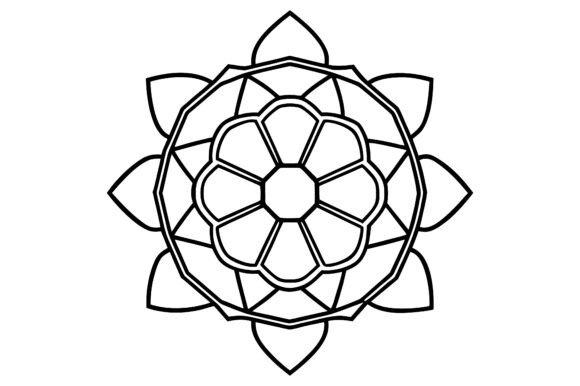
Abstract Turtle Shell Mandala Line Drawings: A Modern Design Asset
Understanding Abstract Turtle Shell Mandala Line Drawings
Abstract Turtle Shell Mandala Line Drawings are minimalist vector illustrations that combine geometric symmetry with organic shapes. These designs typically feature clean, continuous lines that form intricate patterns inspired by turtle shell structures and mandala aesthetics. The result is a visually engaging, balanced composition that fits well within modern design frameworks.
These line drawings are often used as design elements in digital and print media. Their flat design style, smooth outlines, and abstract nature make them versatile for various creative applications, including branding, web design, logos, and UI/UX components.
Why Designers and Brands Are Interested
Design professionals and brand strategists are increasingly drawn to Abstract Turtle Shell Mandala Line Drawings due to their ability to convey elegance and modernity without overwhelming a layout. Their minimalist nature aligns with current design trends that emphasize clarity, whitespace, and visual harmony.
- Visual appeal: The symmetrical patterns and flowing lines create an engaging focal point.
- Brand differentiation: Unique line art can help brands stand out in competitive markets.
- Scalability: Vector-based formats ensure quality across different sizes and resolutions.
Additionally, these illustrations offer a symbolic layer—turtle shells are often associated with protection, resilience, and grounding, while mandalas are linked to balance and mindfulness. These connotations can enhance a brand’s visual storytelling when used thoughtfully.
Benefits and Practical Advantages
There are several advantages to incorporating Abstract Turtle Shell Mandala Line Drawings into creative projects:
- Flexibility: These designs can be adapted for logos, icons, backgrounds, and decorative elements.
- Timelessness: Minimalist and abstract styles tend to age well compared to trend-driven visuals.
- Customization: Being vector-based, they can be easily recolored or modified to suit different themes.
- Professionalism: Their clean outlines and structured geometry contribute to a polished, modern aesthetic.
For UI/UX designers, these line drawings can serve as intuitive icons or subtle decorative elements that enhance user experience without distracting from core content. In branding, they can become part of a logo system or visual motif that reinforces brand identity.
Tradeoffs and Considerations
While Abstract Turtle Shell Mandala Line Drawings offer many benefits, there are also considerations to keep in mind:
- Context matters: These designs may not be suitable for brands or projects that require a more literal or conventional visual language.
- Interpretation: Abstract visuals can be open to interpretation, which may not always align with a brand’s messaging goals.
- Overuse: Like any design trend, excessive use of abstract line art can lead to visual fatigue or dilute impact.
Designers should evaluate how well these illustrations align with the project’s tone, audience, and functional needs. It’s also important to ensure that the artwork complements rather than competes with other design elements.
When This Design Style Is a Strong Fit
Abstract Turtle Shell Mandala Line Drawings are particularly effective in the following contexts:
- Wellness and lifestyle brands: Their symbolic and calming nature aligns with themes of mindfulness and balance.
- Modern web and app interfaces: Their clean lines and scalable format make them ideal for UI/UX components.
- E-commerce and branding: Unique line art can help differentiate products and packaging.
- Print and editorial design: These illustrations add visual interest to layouts without overwhelming textual content.
If your project calls for a refined, contemporary visual language that supports both aesthetic and symbolic goals, this type of line art may be an excellent choice.
When Alternatives May Be Worth Considering
Despite their versatility, Abstract Turtle Shell Mandala Line Drawings may not always be the best fit. Consider alternative design approaches if:
- Clarity is critical: In highly functional interfaces or instructional materials, more literal or universally recognized icons may be more effective.
- Target audience preferences: If your audience favors bold, colorful, or illustrative styles, abstract line art may not resonate as strongly.
- Brand tone requires realism: For industries like finance, healthcare, or engineering, a more literal or technical visual style might be more appropriate.
In such cases, exploring other design assets—such as geometric icons, flat illustrations, or photo-based graphics—could yield better results.
Practical Decision-Making Insights
When evaluating whether to use Abstract Turtle Shell Mandala Line Drawings, consider the following factors:
- Project goals: Does the design need to evoke calm, balance, or sophistication? If so, this style may be a strong match.
- Audience expectations: Will your audience interpret the design positively, or could it be misunderstood?
- Technical requirements: Do you need scalable, editable assets that can be used across platforms? Vector-based line drawings are ideal for this.
- Design consistency: Does the illustration style align with your existing visual system or require adjustments?
Testing the design in context—such as within a mockup or prototype—can help determine its effectiveness before final implementation.
Conclusion: Is Abstract Turtle Shell Mandala Line Drawing Right for You?
Abstract Turtle Shell Mandala Line Drawings offer a compelling blend of symbolism, aesthetics, and functionality. They are especially well-suited for modern branding, digital interfaces, and creative assets where elegance and minimalism are key. However, their abstract nature means they may not be the best choice for every project or audience.
By carefully aligning these design elements with your brand identity, user experience goals, and visual strategy, you can determine whether this style will enhance your creative work. As with any design decision, the key lies in thoughtful evaluation and ensuring that form supports function.