Sushi: A Delicious Japanese Food Worth Exploring
Sushi, a Delicious Japanese Food, has transcended its cultural origins to become a globally appreciated culinary tradition. At its core, sushi represents a balance of simplicity and precision—vinegared rice combined with fresh ingredients such as raw fish, vegetables, or egg, often wrapped or layered with seaweed. Its appeal lies not only in flavor but in presentation, technique, and the cultural values it embodies. Whether served in a high-end Tokyo establishment or a casual neighborhood eatery, sushi maintains a unique ability to captivate food lovers and culinary professionals alike.
What Makes Sushi Unique?
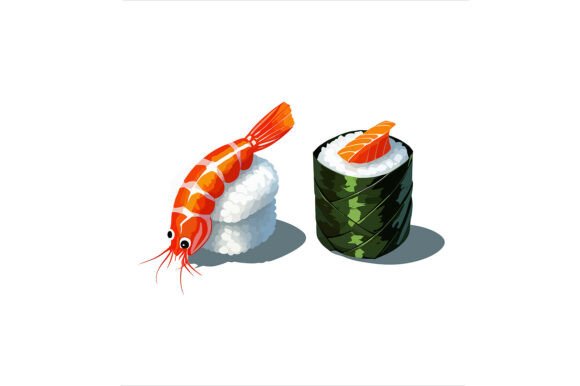
Unlike many dishes that rely on heavy seasoning or sauces, sushi highlights the natural flavors of its ingredients. The quality of fish, the texture of rice, and the sharpness of wasabi all play a role in creating a harmonious bite. This minimalist approach demands high standards, making sushi both a test of skill for chefs and a refined experience for diners. Its adaptability also contributes to its popularity—sushi can be enjoyed in various forms, from nigiri and maki rolls to more contemporary fusion variations.
Purpose and Practical Value
At its heart, sushi serves as both nourishment and art. It’s a dish that communicates respect for ingredients and tradition while allowing room for innovation. For chefs, it offers a canvas for creativity and technical mastery. For diners, it provides a multi-sensory experience that blends taste, texture, and visual appeal. In professional kitchens, sushi preparation requires discipline and consistency—qualities that translate well into restaurant branding and customer satisfaction.
Real-World Performance
In practice, sushi’s success hinges on sourcing, preparation, and service. Freshness is non-negotiable, particularly when serving raw fish. Restaurants that maintain strong supplier relationships and rigorous handling protocols tend to deliver the best results. From a consumer perspective, sushi must be both visually appealing and flavorful to justify its often-premium price point. This dual demand places pressure on consistency, making it essential for businesses to invest in trained staff and quality control systems.
Strengths and Flexibility
One of sushi’s greatest strengths is its adaptability. While traditional forms remain popular, modern interpretations have expanded its reach to include vegetarian, vegan, and even dessert variations. This flexibility allows sushi to cater to diverse dietary preferences and cultural tastes. Additionally, its portability—especially in formats like onigiri or pre-rolled maki—makes it suitable for quick-service models, food trucks, and meal prep businesses.
Who Benefits Most from Sushi?
Professionals in the food service industry, including chefs, restaurateurs, and caterers, can benefit from incorporating sushi into their offerings. Its visual appeal and perceived sophistication make it a strong menu addition for upscale dining, while its variety supports casual and fast-casual concepts. Entrepreneurs in the food delivery and meal kit sectors may also find sushi to be a compelling product, especially when pre-portioned or partially assembled for convenience.
Quality and Presentation
High-quality sushi begins with premium ingredients and extends to precise execution. The rice must be seasoned correctly, the cuts of fish must be clean and uniform, and the overall presentation should reflect care and attention to detail. These elements contribute to customer perception and satisfaction, particularly in competitive markets where diners expect both taste and aesthetics. Restaurants that maintain high standards in these areas often see strong repeat business and positive word-of-mouth referrals.
Long-Term Value and Sustainability
From a business perspective, sushi can be both a profitable offering and a sustainability challenge. Seafood sourcing, in particular, requires awareness of environmental impact and ethical fishing practices. Establishments that emphasize sustainable seafood and transparent sourcing often gain an edge in today’s conscious consumer market. Additionally, training staff to maintain consistency and quality over time ensures long-term success, especially in high-volume settings.
Practical Considerations for Implementation
For businesses considering sushi on their menu, several factors warrant attention. First, the investment in skilled labor is essential—sushi chefs require training and experience to deliver consistent results. Second, equipment such as sushi mats, rice cookers, and sharp knives must be of high quality to support efficient preparation. Lastly, storage and handling protocols for raw ingredients must meet strict food safety standards to prevent contamination and ensure customer well-being.
Limitations and Realistic Expectations
Despite its many strengths, sushi isn’t without limitations. Its reliance on fresh, high-quality ingredients can make it costly to produce, particularly in regions where seafood must be imported. Additionally, preparation time and labor intensity can be barriers for businesses aiming for high throughput. Consumers unfamiliar with sushi may also require education on how to eat and appreciate it, which can affect adoption rates in certain markets.
Final Thoughts on Sushi as a Culinary Asset
Sushi, a Delicious Japanese Food, continues to hold strong appeal across cultures and industries. Its combination of taste, presentation, and versatility makes it a valuable offering for restaurants, food entrepreneurs, and event caterers. When executed well, it delivers both customer satisfaction and brand differentiation. However, success with sushi requires thoughtful planning, investment in quality, and a commitment to maintaining standards. For those willing to meet these challenges, sushi offers a rewarding opportunity to elevate both culinary and business outcomes.