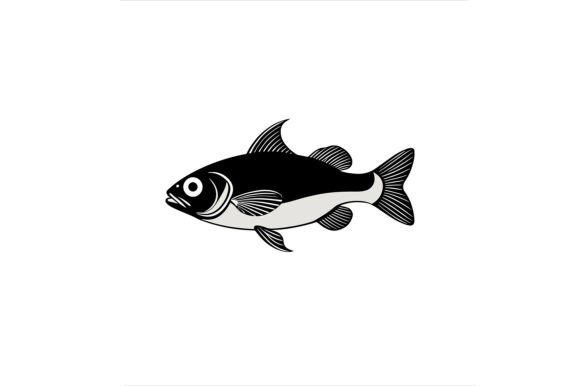
Vector Art of Fish: A Versatile Design Resource Done Right
What Is Vector Art of Fish and Why It Matters
Vector Art of Fish refers to a digital illustration created using vector graphics software, typically saved in formats like EPS or SVG. Unlike raster images, vector art is resolution-independent, meaning it can scale infinitely without losing clarity. This makes it ideal for a wide range of applications—from t-shirts and logos to educational materials and digital scrapbooking. The fish illustration described here is fully editable, allowing users to adjust colors, resize elements, and customize details with ease. Whether you're a professional designer or a hobbyist, having access to clean, scalable artwork can significantly streamline your creative process and elevate your final output.
Common Mistakes When Choosing and Using Vector Art
Despite its many advantages, vector art can be misused or misunderstood, especially by those new to design software or digital assets. Here are some of the most frequent issues people encounter—and how to avoid them.
1. Assuming All Vector Files Are Equal
Not all vector art is created with the same level of detail or technical quality. Some files may have messy layer structures, unnecessary anchor points, or inconsistent stroke widths. These issues can make editing more difficult and slow down your workflow.
Better approach: Always preview the vector file if possible. Look for clean paths, organized layers, and consistent design elements. If purchasing from a marketplace, read reviews and check the creator’s portfolio to ensure quality.
2. Overlooking File Compatibility
While EPS is a widely supported format, not all design programs handle it the same way. Some software may not fully support certain effects or fonts embedded in the file, leading to display issues or broken elements.
Better approach: Confirm that your design software supports EPS files. Adobe Illustrator is the most reliable for editing, but alternatives like Inkscape (for SVG) or CorelDRAW can also work well. If you're not using professional software, opt for the included JPEG version for quick use.
3. Ignoring Licensing Terms
Many vector art downloads come with specific usage rights. Some may restrict commercial use, require attribution, or prohibit modification. Using a file without understanding its license can lead to legal complications or unexpected costs.
Better approach: Read the licensing agreement carefully before downloading or purchasing. Choose files labeled as "commercial use allowed" if you plan to use the art in products or branding. Always keep a copy of the license for your records.
4. Failing to Check for Included Elements
Some vector illustrations are grouped or locked, making them harder to edit than expected. Others may not include all the variations or color options you need, leading to extra work or disappointment.
Better approach: Before downloading, check if the file includes multiple color variations, isolated elements, or layered components. This can save time when customizing the design for different applications like apparel, stickers, or presentations.
5. Underestimating the Value of a Preview Image
The JPEG preview is often overlooked, but it's a valuable tool—especially for users who don't have vector editing software. However, relying solely on the preview can lead to surprises when opening the actual EPS file.
Better approach: Use the JPEG as a reference, but always verify the vector file’s structure if you plan to make edits. Don’t assume the preview shows all layers or hidden elements included in the original file.
How to Make the Most of Vector Art of Fish
Whether you're designing a logo, creating a t-shirt print, or preparing educational visuals, the right approach can make a big difference in both the process and the final result.
Customization Tips for Better Results
- Start with a clear purpose: Know how you’ll use the illustration—whether for print, web, or merchandise. This helps determine how much editing you’ll need.
- Use layers wisely: If the file is layered, keep your edits organized by working on separate layers. This allows for easy revisions and better file management.
- Test different color schemes: Vector files make it easy to try out multiple color variations. Use this to your advantage when matching brand colors or testing design options.
Real-World Applications
Consider a small business owner looking to create a custom t-shirt design. Using a high-quality vector illustration of a fish allows them to scale the design across different shirt sizes without losing clarity. They can also easily change colors to match seasonal themes or customer preferences. In contrast, a poorly structured vector file might require extra cleanup or result in uneven printing.
Choosing the Right Tools
While Adobe Illustrator is the industry standard for editing EPS files, it’s not the only option. Free tools like Inkscape (with SVG files) or online editors like Vectr can also be effective for basic edits. If you're not comfortable with vector software, the included JPEG file gives you a ready-to-use image that’s easy to place in most design projects.
What to Check Before Downloading or Purchasing
Before committing to a vector art download, consider the following checklist:
- File format: Does it include EPS and/or SVG? Is there a JPEG preview?
- Editability: Are layers unlocked and clearly labeled? Can you easily change colors and adjust elements?
- Licensing: Is it approved for commercial use? Are there attribution requirements?
- Creator reputation: Are there reviews or a portfolio available to assess quality?
- Support: Is there customer support or documentation included if you run into issues?
Final Thoughts
Vector Art of Fish offers a flexible, high-quality design solution for a wide range of creative and commercial projects. But like any tool, it works best when used with intention and awareness. By avoiding common mistakes—like assuming compatibility, overlooking licensing, or skipping file previews—you can ensure smoother workflows and better results. Whether you're a seasoned designer or just starting out, taking the time to evaluate and properly use vector art can save you time, effort, and frustration in the long run.